
Why Podcast Hosts Are Building Private Listener Communities
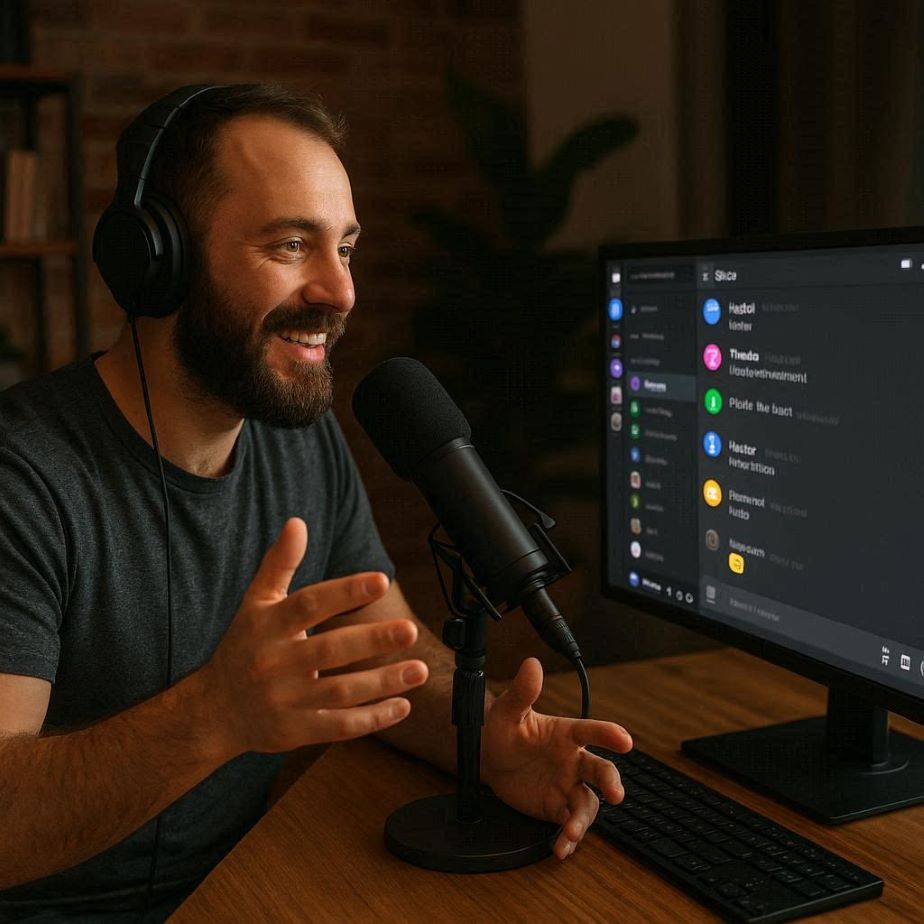
Podcasting has grown into one of the most influential forms of digital media, with millions of shows available across platforms. Yet despite this abundance, creators face a persistent challenge: keeping listeners engaged beyond the audio experience. Research from Edison Research shows that while podcast consumption continues to rise, retention rates often plateau after initial discovery. To address this, many podcast hosts are building private listener communities, particularly on Discord, where interaction extends far beyond the episode itself.
Discord servers have become the go-to hub for podcasters seeking deeper engagement. These spaces allow for subscriber-only discussions, bonus content, and live Q&A sessions. Some creators even adopt a server booster strategy, like Discord Booster Service, during early audience development, ensuring their communities gain visibility and technical advantages such as enhanced audio quality and custom branding. This approach helps smaller shows compete with larger productions by offering listeners a sense of exclusivity and belonging.
The Appeal of Private Communities
Unlike traditional social media platforms, Discord offers structured channels where conversations can be organized by topic. This reduces noise and allows listeners to connect with each other in meaningful ways. According to Pew Research Center, audiences increasingly value online spaces where they can interact with like-minded individuals without the distractions of algorithm-driven feeds. For podcast hosts, this translates into stronger bonds between episodes and a more loyal listener base.
Private communities also provide a feedback loop. Creators can test ideas, gauge reactions, and refine future episodes based on real-time input. This dynamic exchange fosters a sense of co-creation, where listeners feel invested in the show’s direction. As a result, retention improves because audiences are not passive consumers but active participants.
Early Growth Strategies
Building a community from scratch requires deliberate effort. Many podcasters begin by inviting their most engaged subscribers into a small group, gradually expanding as interest grows. Offering perks such as bonus discussions or behind-the-scenes content helps incentivize participation. Some hosts experiment with premium tiers, where supporters gain access to live Q&A sessions or exclusive interviews. These strategies mirror the membership models seen in platforms like Patreon, but Discord’s interactive design makes the experience more immediate and communal.
Boosting a server during its early stages can be particularly effective. While the term “boost” refers to technical upgrades, the broader concept of amplification—whether through promotion, cross-platform visibility, or enhanced features—signals to listeners that the community is worth joining. This sense of momentum often attracts new members who want to be part of something growing and vibrant.
Audience Retention and Loyalty
Retention is one of the most critical metrics for podcasters. Data from Podtrac indicates that shows with active communities see higher repeat listenership compared to those without. The reason is simple: when listeners feel connected to the host and fellow fans, they are more likely to return for new episodes. Communities transform podcasts from one-way broadcasts into ongoing conversations, reinforcing loyalty through shared identity.
Highly active communities often translate into stronger listener loyalty, but activity alone is not enough. The quality of interactions matters. A server filled with constant chatter may overwhelm members, while a well-moderated space encourages thoughtful discussion. Striking this balance is essential for sustaining engagement over time.
The Role of Moderation
Moderation is a cornerstone of successful communities. Without clear guidelines, discussions can quickly derail, leading to conflict or disengagement. Many podcasters appoint trusted listeners as moderators, ensuring that conversations remain respectful and on-topic. According to Harvard Business Review, communities with strong moderation practices report higher satisfaction among members and lower churn rates. For podcast hosts, this means fewer distractions and more meaningful exchanges.
Moderation also protects the brand. A podcast’s reputation can be damaged if its community becomes associated with negativity or misinformation. By setting standards early and enforcing them consistently, hosts safeguard both their audience and their content.
Challenges and Considerations
Despite the benefits, building private communities is not without challenges. Time investment is significant, as hosts must balance content creation with community management. There is also the risk of exclusivity alienating casual listeners who prefer a more open environment. Furthermore, technical issues such as server maintenance or platform changes can disrupt engagement if not addressed proactively.
These challenges underscore the importance of strategic planning. Hosts must decide whether their community is primarily a space for discussion, a platform for monetization, or a hybrid model. Each approach requires different levels of commitment and resources.
Looking Ahead
The rise of private listener communities reflects a broader trend in digital media: audiences want connection, not just content. As podcasts continue to evolve, Discord and similar platforms will play an increasingly central role in shaping listener experiences. Communities that are nurtured with care, supported by thoughtful moderation, and amplified through growth strategies such as server upgrades or promotional boosts are likely to see stronger loyalty and sustained engagement.
For podcast hosts, the message is clear. Building a private community is no longer optional; it is a vital extension of the show itself. By investing in these spaces, creators can transform casual listeners into dedicated supporters, ensuring that their voices resonate long after the episode ends.
READ ALSO: Discover The Right Podcast For You
Conclusion
Podcast hosts are discovering that private communities are powerful tools for retention and loyalty. Whether through enhanced features, promotional amplification, or structured moderation, these spaces foster deeper connections between creators and audiences. While the term “boost” may describe technical upgrades, the broader idea of elevating community engagement is what truly drives success. As digital media continues to shift toward interactive experiences, podcast communities will remain at the heart of listener loyalty and growth.